INTRO
No publicado a los alumnos
Actual

An eighteenth-century pattern book consisting of 36 ink drawings showing precise iconometric guidelines for depicting the Buddha and Bodhisattva figures. Written in Newari script with Tibetan numerals, the book was apparently produced in Nepal for use in Tibet. The concept of the ‘ideal image’ of the Buddha emerged during the Golden Age of Gupta rule, from the 4th to 6th century. As well as the proportions, other aspects of the depiction – such as number of teeth, colour of eyes, direction of hairs – became very important. The V&A have produced a good guide to the iconography of the Buddha, including the 32 Lakshanas or special bodily features.

 |
The Getty |
 |
Underlying Work: PD Worldwide | Digital Copy: No Additional Rights |
 |
Download: Right click on image or see source for higher res versions |
http://publicdomainreview.org/collections/tibetan-book-of-proportions/
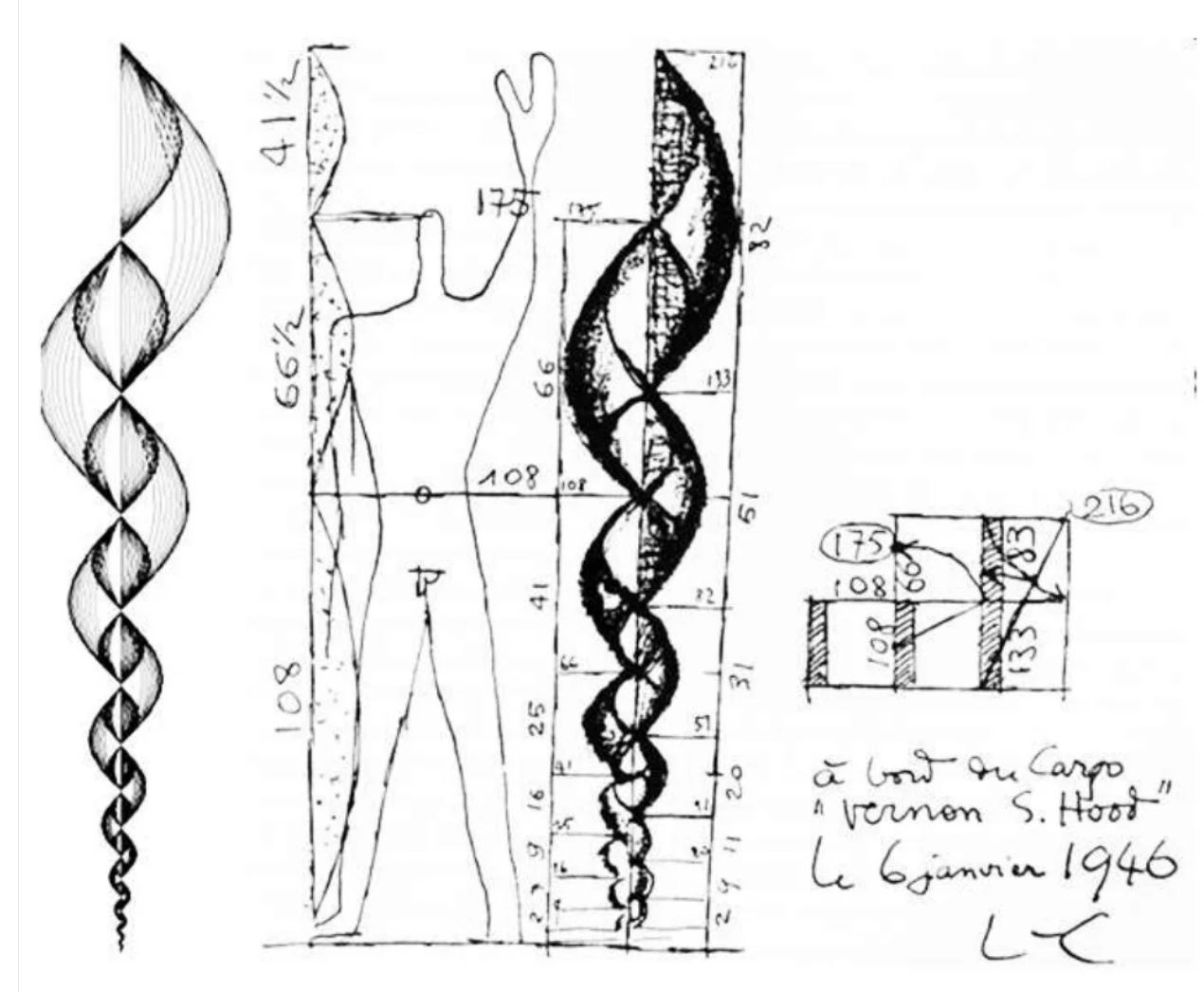
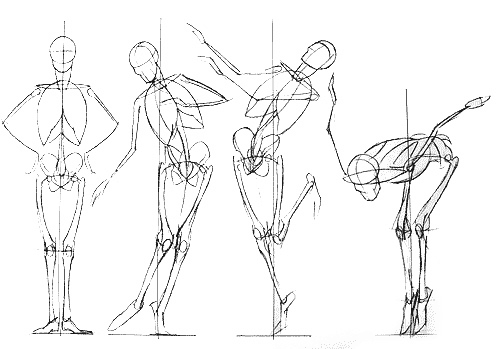
Estrategias matemáticas para la
correcta representación
del cuerpo humano en el dibujo:
Proporción
Canon
Módulo
|
|
Trazo:Suavidad/DurezaDistorsionesMovimi e n t o
|
www.artnatomia.net
(autor) Victoria Contreras Flores
ESPAÑA 2005
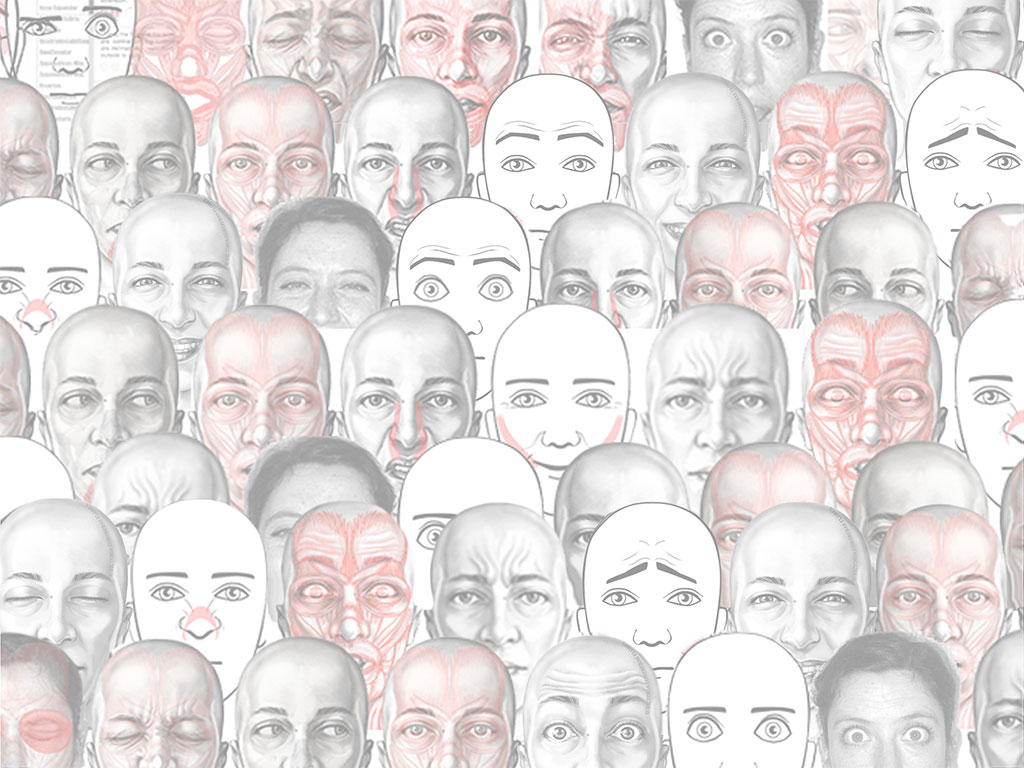
Se trata de una herramienta didáctica diseñada y construida para facilitar, en el ámbito general de los estudios de Bellas Artes, la enseñanza y el aprendizaje de los fundamentos anatómicos y biomecánicos que configuran la morfología de la expresión facial a la hora de representar emociones.


Tema 1.4. “Temple monocromo (grisalla) y color”. Tipos: témpera,
gouache, acrílico. Composición y características. Instrumentos: pincel.
Acabados. Texturas. Soportes. Control, destreza, procesos de trabajo y
aplicaciones.




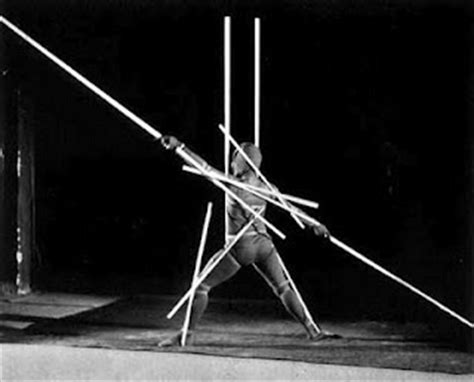
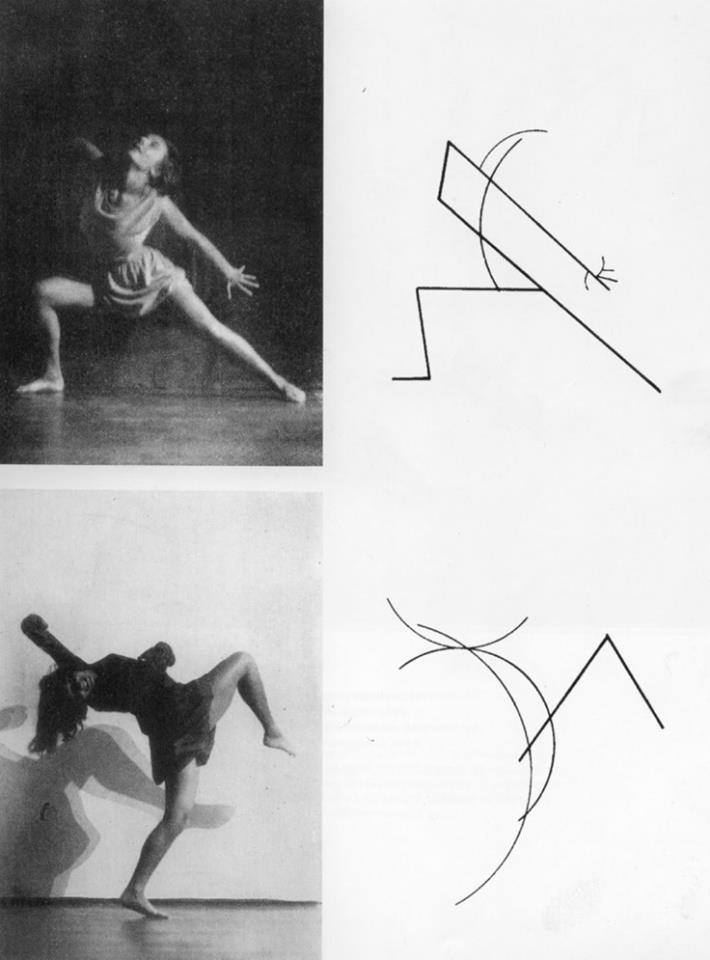 KANDINSKY